Duration
3 Years

The Clinical Technology programme prepares students to work with advanced medical technologies and equipment used in modern healthcare. Students can specialise in areas such as cardiology, critical care, nephrology, pulmonology, reproductive biology, neurophysiology and cardiovascular perfusion.
Clinical Technology will appeal to those who aspire to play a pivotal role in the management and application of medical equipment in hospitals. The modern hospital in now the centre of technologically sophisticated-healthcare system. Employment opportunities exists in working with high-tech machinery and equipment in diverse specialised areas in government and private practice.
Technological innovation in the field of medicine and healthcare is accelerating at an enormous pace. The modern hospital in now the centre of technologically sophisticated healthcare system, and this requires equally technologically sophisticated staff. You will have an opportunity to choose an area of specialty from cardiology, critical care or nephrology, pulmonology, reproductive biology, neurophysiology and cardiovascular perfusion.
3 Years
Diploma
A minimum of 36 BGCSE points with at least grade B in Sciences and at least gra...
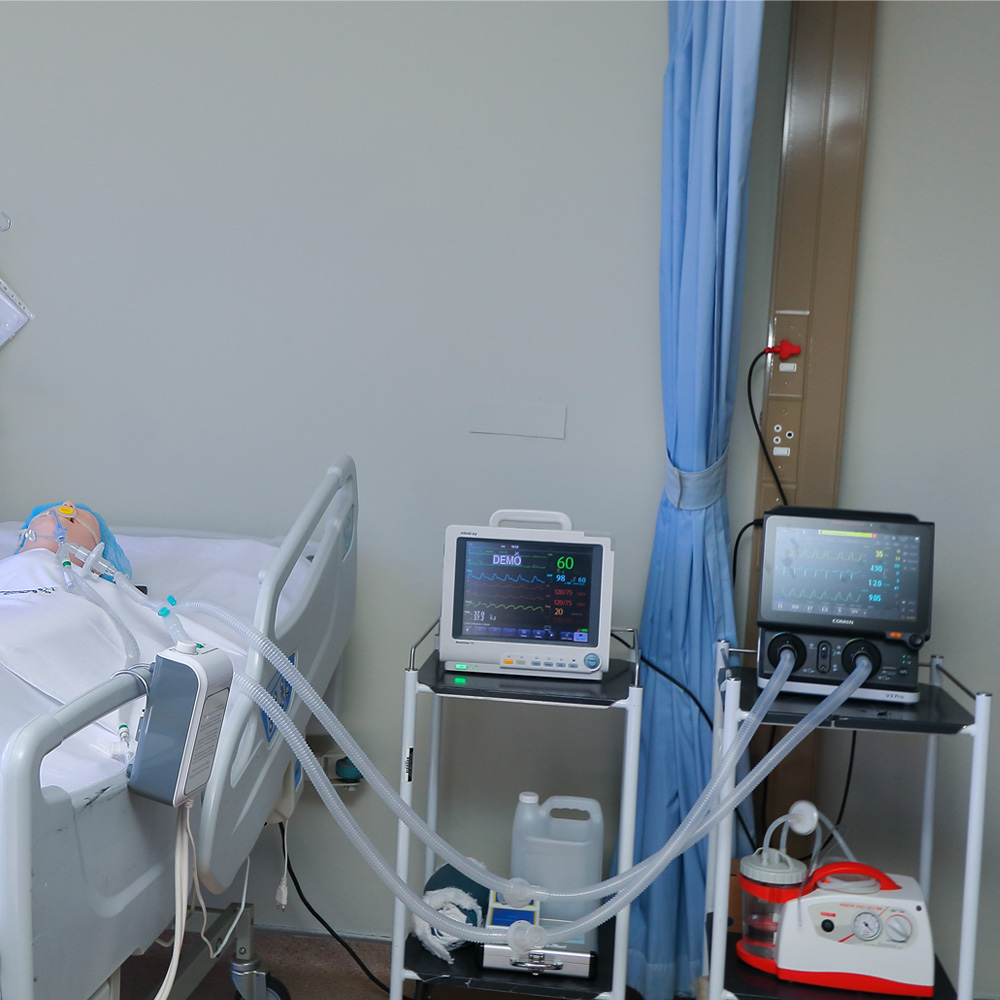
Graduates can work in hospitals, clinics and equipment companies, installing, maintaining and managing medical equipment, or progress into technical supervision, sales and further study.
Operates and maintains medical devices and diagnostic equipment used in patient care.
Installs, repairs and services medical equipment to keep it safe and functional.
Schedules inspections, calibrations and preventive maintenance for hospital technology.
Supports healthcare facilities with product training, installation and troubleshooting.
Supports the operation of imaging and diagnostic equipment in clinical settings.
Placement and workplace exposure details can be managed here as programme information is confirmed.
Apply classroom learning in supervised practical contexts.
Build habits expected in healthcare environments.
Receive guidance before, during and after practical learning.
Apply now or contact the admissions team for guidance.